
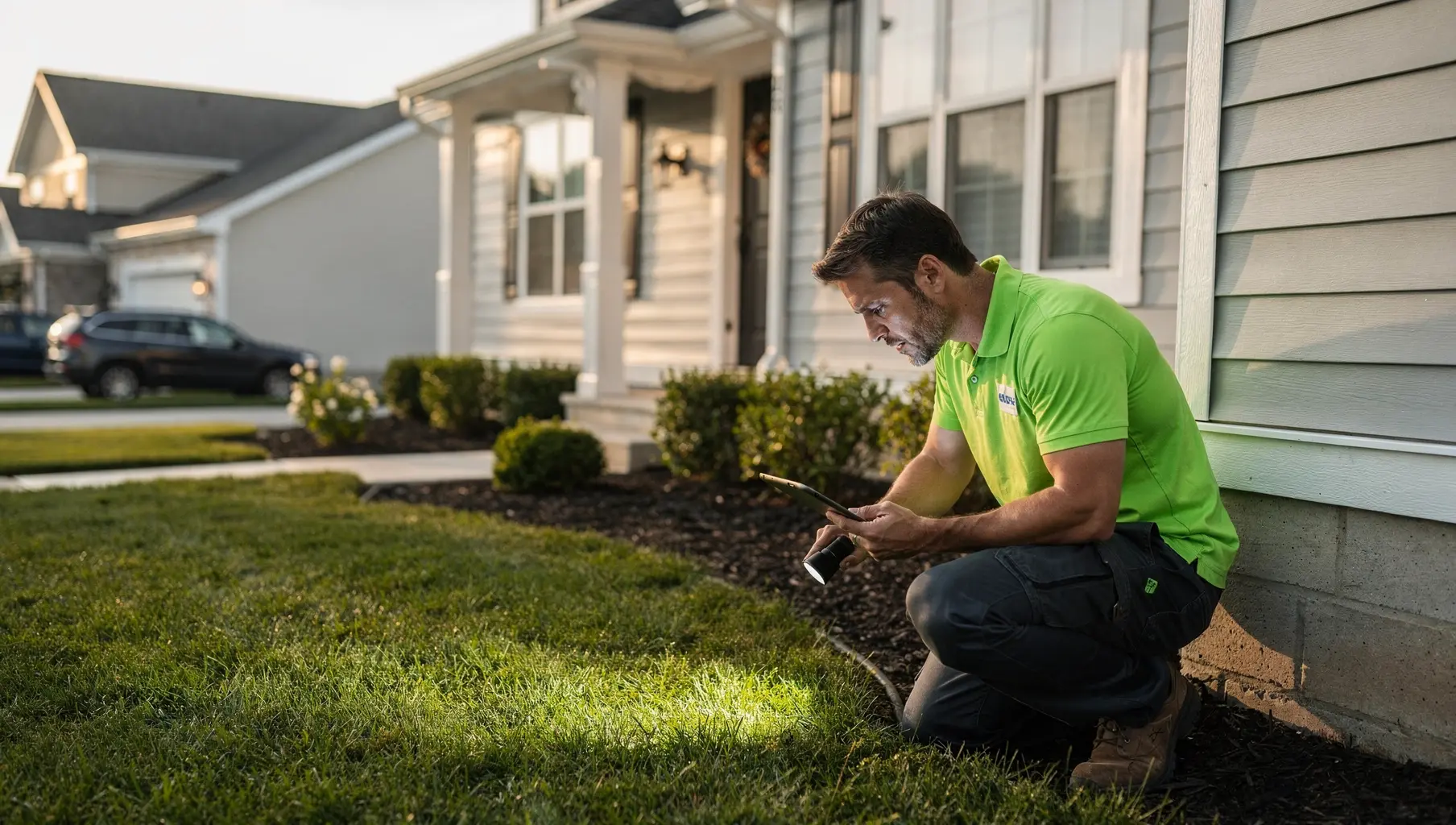
Many pest infestations begin long before homeowners notice the first signs. Small cracks, excess moisture, food sources, and hidden entry points can create the perfect environment for pests to thrive.
Taking preventive action before pests become established can help protect your home, reduce treatment costs, and avoid damage to your property.
Why Pest Prevention Matters
Pests are more than just a nuisance. Some species can damage structures, contaminate food, spread bacteria, and create unhealthy living conditions.
Routine inspections and preventive measures can significantly reduce the risk of infestations and help maintain a safe, comfortable home.
| Common Pest Issue | Risk If Ignored | Urgency Level |
|---|---|---|
| Ant activity | Rapid colony growth indoors | Medium |
| Rodent entry points | Property damage and contamination | High |
| Standing water | Mosquito breeding | High |
| Wood-to-soil contact | Increased termite risk | High |
| Food debris and crumbs | Attracts roaches and ants | Medium |
| Moisture problems | Encourages pests and mold | Medium |
Pest Prevention Checklist
Use this checklist throughout the year to reduce the likelihood of pest problems.
| Task | What to Check | Recommended Action |
|---|---|---|
| Seal entry points | Cracks, gaps, and openings around doors and windows | Apply caulk or weather stripping |
| Inspect plumbing | Leaks under sinks and around fixtures | Repair leaks promptly |
| Remove standing water | Bird baths, gutters, containers, and low spots | Eliminate water sources regularly |
| Store food properly | Pantry items and pet food | Use sealed containers |
| Maintain landscaping | Shrubs, mulch, and vegetation near the home | Keep plants trimmed away from walls |
| Check attic and crawl spaces | Signs of rodents, insects, or moisture | Schedule inspections if needed |
| Inspect wood structures | Decks, fences, and foundations | Monitor for termite activity |
| Schedule pest inspections | Hidden infestations and risk factors | Arrange routine professional inspections |
Warning Signs You Should Not Ignore
Early detection can help prevent larger infestations and costly repairs.
| Warning Sign | Possible Cause | Suggested Action |
|---|---|---|
| Droppings | Rodent activity | Schedule a pest inspection |
| Gnaw marks | Mice or rats | Identify and seal entry points |
| Mud tubes | Termite activity | Contact a termite specialist |
| Increased mosquito activity | Standing water nearby | Inspect and remove breeding sites |
| Ant trails | Nearby colony | Investigate and treat promptly |
| Unusual scratching sounds | Rodents in walls or attic | Request a professional inspection |
Common Pest Prevention Mistakes
Many infestations develop because small warning signs are overlooked.
| Mistake | Why It Is a Problem | Better Practice |
|---|---|---|
| Waiting until pests are visible | Infestations may already be established | Schedule preventive inspections |
| Ignoring moisture issues | Water attracts many pests | Fix leaks immediately |
| Storing firewood near the home | Creates shelter for termites and insects | Keep wood away from structures |
| Leaving food exposed | Attracts ants, roaches, and rodents | Store food in sealed containers |
| Skipping seasonal treatments | Allows pest populations to grow | Maintain regular service plans |
| Neglecting exterior maintenance | Creates easy access points | Inspect the property regularly |
How Often Should a Home Be Inspected for Pests?
Regular inspections can identify problems before they become serious infestations.
| Recommended Time | Purpose |
|---|---|
| Spring | Detect emerging pest activity |
| Summer | Monitor ants, mosquitoes, and stinging insects |
| Fall | Prevent rodents from entering the home |
| Winter | Inspect for hidden indoor pest activity |
| Before purchasing a home | Identify existing pest issues |
| Every 6–12 months | Maintain long-term pest protection |
Final Pest Prevention Tips
Effective pest control starts with prevention. Keeping your home clean, reducing moisture, sealing entry points, and monitoring for signs of activity can significantly reduce the risk of infestations.
Regular inspections and proactive maintenance are often the most cost-effective ways to protect your property from ants, rodents, termites, mosquitoes, and other common pests.
If you notice signs of pest activity or want added peace of mind, scheduling a professional pest inspection can help identify potential issues before they become larger problems.